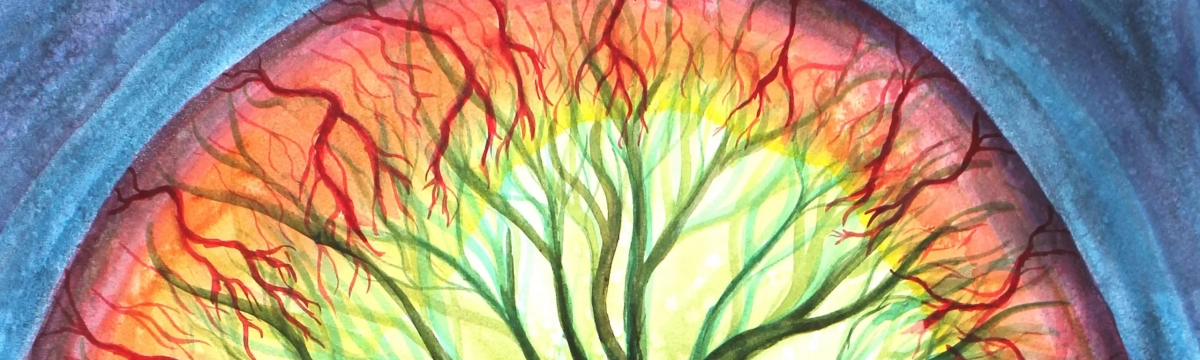

Trauma doesn’t always live in language.
For many people, especially those who have experienced complex or developmental trauma, the body and nervous system hold experiences that are difficult—sometimes impossible—to explain with words alone.
This is where expressive arts therapy can become a powerful and gentle pathway to healing.
Trauma Lives Beyond the Thinking Mind
Trauma often bypasses the parts of the brain responsible for logic, narrative, and verbal processing. Even when someone understands what happened, their body may still react with anxiety, shutdown, hypervigilance, or emotional overwhelm.
Traditional talk therapy can be incredibly helpful—but for some, progress can feel stalled when insight doesn’t translate into felt change.
Expressive arts therapy offers another doorway.
What Is Expressive Arts Therapy?
Expressive arts therapy integrates creative processes—such as visual art, movement, writing, imagery, music, and symbolic play—into the therapeutic space. The focus is not on artistic skill or creating something “beautiful,” but on expression, exploration, and meaning-making.
In trauma work, this approach allows experiences to be:
-
Externalized rather than held internally
-
Explored safely and indirectly
-
Processed at the nervous system’s pace
-
Witnessed without being re-lived
Creativity becomes a language of its own.

How Expressive Arts Therapy Helps with Trauma
1. It creates safety through distance
Art allows clients to explore difficult experiences symbolically rather than directly. A color, shape, image, or metaphor can represent something painful without overwhelming the system.
2. It engages the body and nervous system
Trauma is stored somatically. Creative expression helps regulate the nervous system, supporting grounding, containment, and emotional release in ways words alone may not.
3. It bypasses overthinking and perfectionism
Many trauma survivors are highly self-aware yet disconnected from their emotions. Expressive work gently quiets the inner critic and invites a more intuitive, embodied process.
4. It supports integration—not just insight
Healing happens when experiences are integrated emotionally, physically, and psychologically. Art-making allows meaning to emerge organically rather than being forced.
5. It restores agency and choice
Trauma often involves a loss of control. Expressive arts therapy emphasizes choice, pacing, and autonomy—helping clients reconnect with their inner authority.
Who Might Benefit from Expressive Arts Therapy?
This approach can be especially supportive for individuals who:
-
Feel “stuck” despite years of insight-oriented therapy
-
Struggle to verbalize emotions or memories
-
Experience dissociation, shutdown, or emotional numbing
-
Live with chronic anxiety, perfectionism, or overcontrol
-
Want a gentler, more holistic approach to healing
Expressive arts therapy is not about revisiting trauma—it’s about creating new internal experiences of safety, expression, and self-connection.
A Different Kind of Therapeutic Space
In my work, expressive arts therapy is offered as a collaborative, client-centered process. Sessions are structured to feel grounding, intentional, and respectful of each person’s readiness. No artistic background is needed—only curiosity and openness.
Art becomes a mirror, a container, and sometimes a bridge—helping clients access parts of themselves that have been waiting to be seen.
A Gentle Invitation
If you’re curious about exploring healing beyond words—or feel drawn to a more creative, body-aware approach—expressive arts therapy may be a meaningful next step.
I offer expressive arts therapy as a standalone modality and as an adjunct to traditional talk therapy, depending on individual needs and goals. If you’d like to learn more or explore whether this approach might be a good fit, I invite you to reach out.
Healing doesn’t have to be forced.
Sometimes, it begins with creating space—and letting something new emerge.
— Lauren Bergiel, CMHI, PCC
Lauren@ancounseling.com | 312-899-6552
